
Can You Refuse a Breathalyzer in Florida?
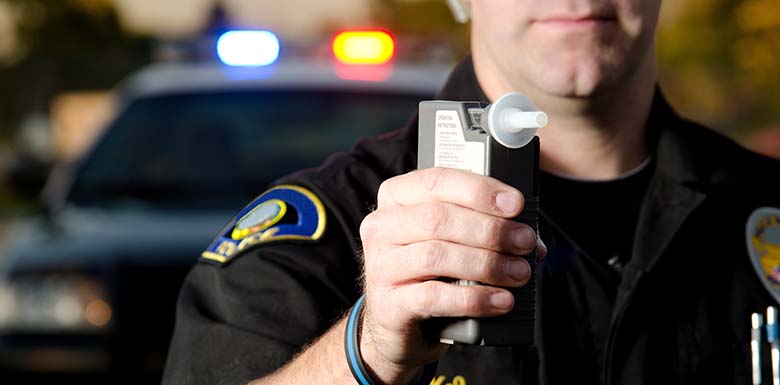
Receiving a DUI is a scary experience that can have consequences long after you’re arrested. You may have questions regarding your rights as a driver in Florida and whether you can refuse a breathalyzer test if you’re arrested. Understanding a Breathalyzer Refusal in Tampa is the first step.
The short answer is yes, you can refuse, but doing so comes with penalties that may outweigh any potential benefits.
IMPORTANT: If you have been charged with a DUI, contact our DUI lawyers in Tampa, FL to schedule a free consultation to discuss your case. (813) 258-4800.
What to Do Right Now If You Refused a Breathalyzer
If you refused a breathalyzer during a DUI stop in Tampa, the clock is already ticking on your 10-day DHSMV deadline. Take these steps immediately:
- You CAN decline field sobriety tests with no penalty. Field sobriety tests (walk-and-turn, one-leg stand, eye test) are voluntary in Florida. There is no legal penalty for refusing FSTs. However, after a lawful arrest, refusing the chemical breath test (Intoxilyzer 8000) triggers the administrative suspension.
- Request your DHSMV administrative hearing within 10 days. This is the most time-sensitive deadline. Filing also grants you a 42-day temporary driving permit.
- Do not speak to police about the refusal. Your refusal is already documented. Anything else you say can be used to build the prosecution’s DUI case.
- Write down everything you remember about the stop. Note the officer’s name, badge number, what was said, whether you were informed of the implied consent consequences, and the exact sequence of events.
- Preserve all evidence. Save dashcam or body-cam footage requests, text messages, and receipts from the evening that establish your timeline.
- Contact a Tampa DUI lawyer at (813) 258-4800 immediately. An experienced attorney at Brett Metcalf can file your DHSMV hearing request, secure your temporary permit, and begin building your defense.
When Can Police Request a Breathalyzer?
Law enforcement can request a breath test if they suspect you are driving under the influence. They need probable cause to make that request and will look for signs of impairment such as glassy eyes, lack of coordination, slurred speech, or reckless driving.
If you fail a roadside sobriety test, you may be asked to take a breath test.
Florida’s Implied Consent Laws
Florida Statute 316.1932 outlines the state’s implied consent laws. Implied consent means that holding a Florida driver’s license allows you to take an approved chemical or physical test if you are arrested. This includes a breathalyzer to measure your blood alcohol content. However, you still can’t be forced to blow. You will face the consequences for refusing, but you have the right to decline the test if you choose.
A chemical test administered after an arrest could also be performed by analyzing a blood or urine sample.
What about Field Sobriety Tests?
A field sobriety test is another way an officer assesses someone’s level of impairment if they suspect intoxication. You may be asked to follow a light with your eyes, walk and turn in a straight line, or stand on one leg. However, Florida’s implied consent laws do not cover field sobriety tests; you can refuse without penalty.
Penalties for Refusing a Breathalyzer in Florida
Though you can refuse a breath test, be aware of the consequences of doing so. If you refuse a breathalyzer, you will be subject to a mandatory license suspension of one year and receive a fine of $500. This is what happens if you refuse a breathalyzer in Florida.
A second offense or third refusal offense is a first-degree misdemeanor and will result in an 18-month license suspension and possible jail time. You’ll have to pay license reinstatement fees to get your license back if it’s suspended.
How to Appeal a Breathalyzer Refusal or License Suspension
You can request a hearing before a judge if you lose your license for refusing to submit to a breathalyzer or other chemical test.
You have exactly 10 calendar days from the date of your arrest to request a formal review hearing with the Florida DHSMV. This is not a 30-day deadline. It is 10 days, and missing it means the suspension takes effect automatically with no opportunity to challenge it. When you request the hearing, you also receive a temporary 42-day driving permit that keeps you on the road while the hearing is pending.
At the hearing, your attorney challenges the officer’s probable cause for the stop, whether you were properly informed of the implied consent consequences, and whether the officer followed proper procedures. Many refusal-based suspensions are overturned at this stage. You should also know what to do the day after a DUI arrest and whether your license is suspended immediately after a DUI in Florida.
Administrative vs. Criminal Consequences: They Are Separate
It is critical to understand that the administrative license suspension and any criminal DUI charges are two completely separate proceedings:
- Administrative (DHSMV): The license suspension for refusing is imposed by the Florida Department of Highway Safety and Motor Vehicles, not the criminal court. It takes effect automatically unless you request a formal review hearing within 10 calendar days of your arrest. Filing the request also grants you a temporary 42-day driving permit. An experienced attorney can help you navigate the administrative license suspension hearing.
- Criminal (Court): The refusal itself is used as evidence of “consciousness of guilt” in your criminal DUI trial. The prosecution will argue that you refused because you knew you were impaired. However, your attorney can argue you exercised your legal right to refuse and that refusal alone does not prove impairment.
Reinstatement after suspension: After the suspension period ends, you must pay reinstatement fees to the DHSMV (typically $150–$250) and may be required to complete a DUI substance abuse course before your license is restored.
Special Categories: CDL Holders, Under-21, and Prior DUI
- Commercial Driver’s License (CDL) holders: CDL holders face a one-year CDL disqualification for a first refusal, and a lifetime CDL disqualification for a second refusal. A DUI-related CDL disqualification can end your commercial driving career. Brett Metcalf handles CDL suspension cases for Tampa-area commercial drivers.
- Drivers under 21 (Zero Tolerance): Under Florida’s Zero Tolerance law, drivers under 21 face a 6-month license suspension for a BAC of just 0.02% or higher. Refusal by an under-21 driver triggers a 12-month suspension, the same as an adult refusal. An underage DUI carries additional consequences that require an experienced defense attorney.
- Prior DUI convictions: A second or subsequent refusal is charged as a first-degree misdemeanor (up to 1 year in jail, $1,000 fine) in addition to the 18-month administrative license suspension. This is a separate criminal charge on top of the DUI itself.
Should You Refuse a Breathalyzer in Florida?
In most situations, it is not advisable to refuse a breath test since the consequences could be more severe than turning over evidence of your impairment. But if you refuse and later choose to appeal, you can justify your refusal for reasons such as:
- Medical Issues: Some people may have anxiety or breathing problems, making taking the test difficult. In these scenarios, a law enforcement officer may document a refusal.
- Language Barriers: You may have struggled to understand the officer’s instructions, leading the law enforcement officer to document a refusal.
A common misconception is that police must read you your Miranda rights before requesting a breath test. This is incorrect. Miranda warnings are required before custodial interrogation. They have nothing to do with chemical test requests. Your decision to refuse a breathalyzer is not a Miranda issue, and the lack of Miranda warnings will not help you challenge a refusal or its consequences. However, you can still challenge the refusal on other grounds: the officer lacked probable cause for the stop, the officer failed to properly advise you of the implied consent consequences, or the testing equipment was not properly calibrated or maintained. Understanding your rights during a DUI stop in Tampa can help you make informed decisions if you are pulled over.
Proposed Law Could Increase Penalties for Refusal
HB 197, introduced in 2023, proposed requiring first-time DUI offenders to install an ignition interlock device. The bill did not pass during the legislative session. As of 2026, ignition interlock for first-time offenders in Florida is only mandatory when the BAC is 0.15% or higher. However, similar legislation may be reintroduced. Florida’s ignition interlock requirements for first-time DUIs could change if similar legislation passes.
Frequently Asked Questions About Breathalyzer Refusal in Florida
Can police force a blood draw if I refuse the breathalyzer?
Yes, but only with a warrant. If you refuse the breath test and the officer has probable cause to believe you are impaired, they can apply for a warrant from a judge to compel a blood draw. Warrantless blood draws are increasingly challenged in court, and your attorney can file a motion to suppress the results if proper procedures were not followed.
Will my refusal be used against me in court?
Yes. At trial, the prosecution will argue that your refusal to take the breath test demonstrates “consciousness of guilt”, that you refused because you knew you were impaired. However, your attorney can argue that you exercised your legal right to refuse and that refusal alone does not prove impairment beyond a reasonable doubt. Many DUI cases are won despite a refusal.
What happens to my license if I refuse?
First refusal: automatic 12-month administrative license suspension. Second or subsequent refusal: 18-month suspension plus a separate first-degree misdemeanor charge. You have 10 days to request a hearing to challenge the suspension. An experienced attorney can help you navigate the administrative license suspension hearing.
Is refusing better than failing the breath test?
It depends on the circumstances. Refusing eliminates the BAC number from the prosecution’s evidence, but it triggers a longer administrative suspension (12 months vs. 6 months for a first-time failure) and the refusal itself can be used as evidence at trial. There is no simple answer, which is why consulting an attorney as soon as possible is critical. There are several ways a breathalyzer can produce inaccurate results, which your attorney can use to challenge the evidence.
Do I have to take field sobriety tests?
No. Field sobriety tests (FSTs) are completely voluntary in Florida. There is no civil or criminal penalty for declining FSTs. By refusing, you limit the evidence the officer can use to establish probable cause for arrest. This is different from the chemical breath test, which triggers implied consent consequences after a lawful arrest.
Contact a Tampa DUI Lawyer Today
Whether you refused the breathalyzer or not, you have options. An experienced DUI defense attorney can challenge the traffic stop, the probable cause for arrest, the implied consent advisement, and every piece of evidence the prosecution plans to use.
Attorney Brett Metcalf is a former Hillsborough County prosecutor who has handled thousands of DUI cases. He knows how prosecutors use breathalyzer refusals, and he knows how to challenge them.
Call (813) 258-4800 now or contact us online for a free, confidential consultation. Our Tampa DUI defense attorneys also handle first-time DUI cases. We are available 24 hours a day, 7 days a week.