
DUI Checkpoints in Florida: What to Expect & What to Do
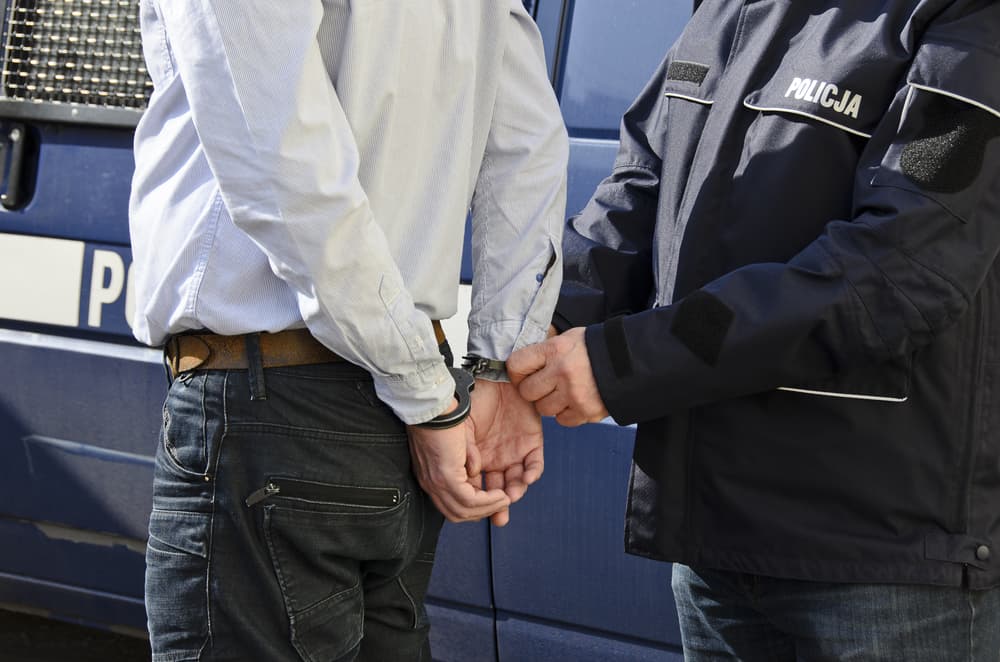
DUI checkpoints are common throughout Florida, including in Tampa and across Hillsborough County. If you have never been through one, seeing flashing lights, cones, and multiple officers can be stressful, even if you have not been drinking at all.
In this guide, our Tampa DUI lawyer explains how DUI checkpoints work in Florida, what to expect if you drive up to one, and practical steps you can take to protect yourself. It also includes Florida-specific FAQs about field sobriety exercises, breath testing, and driver’s license consequences.
What is a DUI checkpoint?
A DUI checkpoint (also called a sobriety checkpoint) is a temporary roadblock where law enforcement briefly stops drivers to screen for impairment. Unlike a standard traffic stop, officers at a checkpoint do not need individualized suspicion for the initial stop. However, checkpoints must still follow constitutional requirements and Florida case law guidelines to be lawful.
Are DUI checkpoints legal in Florida?
Yes, DUI checkpoints can be legal in Florida, but they must be conducted properly. While the initial contact is typically brief, agencies generally must operate the checkpoint under a neutral plan and apply it consistently. A checkpoint cannot be run arbitrarily, and officers cannot use a checkpoint as a pretext to randomly target drivers.
If you were arrested at a checkpoint, a key issue in your defense may be whether the checkpoint was set up and operated in a lawful manner, and whether the officer had a valid reason to extend the stop beyond the initial screening.
Why DUI checkpoints are often announced in advance
Many drivers are surprised to learn that DUI checkpoints are frequently publicized in advance through local news outlets or law enforcement announcements. Advance notice is often one of the factors that may support the legitimacy of a checkpoint and can reduce the perception that drivers are being stopped arbitrarily.
What happens when you drive up to a DUI checkpoint in Florida
Most checkpoint stops are designed to last only a short time. Typically, an officer will:
- Direct you to a stopping point using cones, signs, or hand signals
- Ask for your driver’s license, registration, and proof of insurance
- Ask a brief question or two
- Look for signs of impairment (odor of alcohol, slurred speech, bloodshot eyes, confusion, etc.)
If the officer does not observe anything concerning, you are usually waved through quickly. If the officer believes there are signs of impairment, the stop can escalate into further questioning, a request for field sobriety exercises, or a DUI investigation.
How to handle a DUI checkpoint stop: practical tips
The best approach at a checkpoint is to stay calm, follow instructions, and avoid creating additional issues. These tips can help:
- Slow down and follow directions: Checkpoints are designed for safety. Obey posted speeds and officer directions.
- Have documents accessible: Keep your license, registration, and insurance easy to reach so you are not fumbling around.
- Be polite and keep answers brief: Arguing on the roadside rarely helps and can make a routine interaction worse.
- Avoid volunteering extra information: Many DUI cases get more complicated because drivers talk too much.
- Do not consent to searches without legal advice: You can politely decline consent to a search. Whether an officer can search anyway depends on the circumstances.
What to say (and what not to say) at a checkpoint
You do not have to “help build” the case. A respectful, minimal approach is usually safest.
- Good approach: “Here are my documents.” “I understand.” “Am I free to go?”
- Risky approach: Over-explaining where you were, how much you drank, when you drank, or trying to “talk your way out of it.”
If an officer asks if you have been drinking, the way you respond can matter. Do not guess. Do not try to negotiate. If the situation escalates, stay calm and get legal guidance as soon as possible.
Can you turn around to avoid a DUI checkpoint in Florida?
In many situations, a driver may legally avoid a checkpoint by taking a lawful turn onto a side street, into a neighborhood, or into a parking lot, as long as the maneuver is legal and safe. The problem is that drivers sometimes panic and commit a traffic violation in the process, such as:
- making an illegal U-turn
- crossing a solid line
- driving onto the shoulder or into a restricted area
- failing to signal
If you commit a traffic infraction while attempting to avoid a checkpoint, officers can stop you for that violation. In other words, avoiding a checkpoint is not automatically illegal, but how you avoid it matters.
Florida DUI enforcement: field sobriety exercises and breath tests
At a checkpoint, an officer may ask you to step out and perform field sobriety exercises if they believe there are signs of impairment. Officers may also request a breath test. These are high-stakes moments because they can affect whether you are arrested and what evidence is used later.
Florida law has specific rules and consequences related to chemical testing, including driver’s license suspensions and implied consent issues. If you are facing DUI allegations, getting advice quickly is important because deadlines can be short.
FAQs DUI checkpoints in Florida
Do I have to show my license, registration, and proof of insurance at a checkpoint?
Yes. At a checkpoint, officers typically request identification and driving documents. Having these ready can help keep the stop brief.
Do officers need probable cause to stop me at a DUI checkpoint?
Not for the initial checkpoint stop itself. The purpose of the checkpoint is to allow a brief screening. However, to extend the stop beyond the initial screening, officers generally need additional reasons based on what they observe.
Do I have to answer questions at a DUI checkpoint in Florida?
You should comply with lawful instructions and provide required documents, but you are not required to volunteer extra information. Keeping your responses brief and respectful is typically the safest approach.
Are field sobriety exercises mandatory in Florida?
Field sobriety exercises are often presented as if they are required, but in many situations they are voluntary. Refusing them does not necessarily prevent an arrest, but participating can create evidence that is later used against you. Because each case is different, it is smart to speak with a lawyer as soon as possible if you are being investigated for DUI.
Can I refuse a breath test in Florida?
Florida’s implied consent law can impose serious consequences for refusing a lawful breath, blood, or urine test after a DUI arrest. A refusal can lead to a driver’s license suspension, even if you are not ultimately convicted of DUI. In some situations, a refusal can also be used as evidence in court. If you are facing this decision, get legal advice quickly.
What is a “hard suspension” in Florida DUI cases?
In Florida DUI cases, administrative driver’s license suspensions can apply, and some suspensions include a “hard suspension” period where you cannot drive at all. Eligibility for a hardship license depends on the facts of the case and the type of suspension. A lawyer can help you understand whether you may qualify and what steps are required.
How long do I have to challenge a DUI-related license suspension in Florida?
Florida DUI cases can involve strict deadlines to challenge an administrative suspension and request a formal review hearing. If you miss the deadline, your options may become more limited. If you were arrested for DUI, it is important to speak with counsel right away.
Can DUI checkpoint cases be challenged in court?
Yes. DUI checkpoint cases can involve legal challenges, including whether the checkpoint was conducted properly and whether an officer had sufficient grounds to expand the stop into a DUI investigation. Video evidence, officer reports, checkpoint procedures, and the timeline of the stop can all matter.
What should I do if I was arrested at a DUI checkpoint in Tampa or Hillsborough County?
If you were arrested, avoid discussing details of the case with anyone other than your lawyer. DUI cases often turn on timelines, observations, and test procedures. An attorney can review the checkpoint’s legality, the reason the stop was extended, and whether your rights were violated.
Is it illegal to warn drivers about a DUI checkpoint?
Drivers and community members sometimes warn others about police activity by flashing headlights, posting on social media, or sharing checkpoint locations online. Whether a specific action is illegal can depend on the details, including where the person is located, whether traffic is obstructed, and whether police claim the conduct interferes with their duties.
Because these issues can involve both free speech and public safety concerns, the outcome often depends on the specific facts.
A prior incident involving a checkpoint warning sign
Several years ago, an incident in Ohio made headlines when a man was arrested after holding a sign warning drivers about a checkpoint ahead and encouraging them to turn before reaching it. He argued that he was exercising his First Amendment rights. Situations like this tend to raise fact-specific legal questions about what was communicated and whether law enforcement claims the conduct crossed the line into interference.
Importantly, this is a general discussion, and laws can vary by state. If you are concerned about an arrest or citation related to checkpoint warnings in Florida, speak with a lawyer about your specific situation.
When a checkpoint stop turns into a DUI arrest
Even though checkpoints are intended to be brief, the encounter can escalate quickly. DUI cases that begin at checkpoints often hinge on questions such as:
- Whether the checkpoint was set up and operated lawfully
- Whether the officer had a valid reason to expand the stop
- Whether field sobriety exercises were administered properly
- Whether chemical testing procedures were followed
- Whether constitutional rights were violated
A DUI arrest does not automatically mean a conviction. In many cases, effective defense begins by examining the checkpoint procedures and the officer’s justification for escalating the encounter.
Talk to a Tampa DUI defense lawyer
If you were stopped or arrested at a DUI checkpoint in Tampa or Hillsborough County, getting legal guidance quickly matters. DUI charges can carry serious penalties, including driver’s license suspension, fines, and possible jail time.
Brett Metcalf, Criminal Defense Attorneys, P.A. provides experienced defense for clients facing DUI charges in Tampa and throughout Hillsborough County. We also provide DUI defense in the following areas around Tampa: